
Pregnancy and Endometriosis: Why You’re Still Being Told Getting Pregnant “Fixes” It
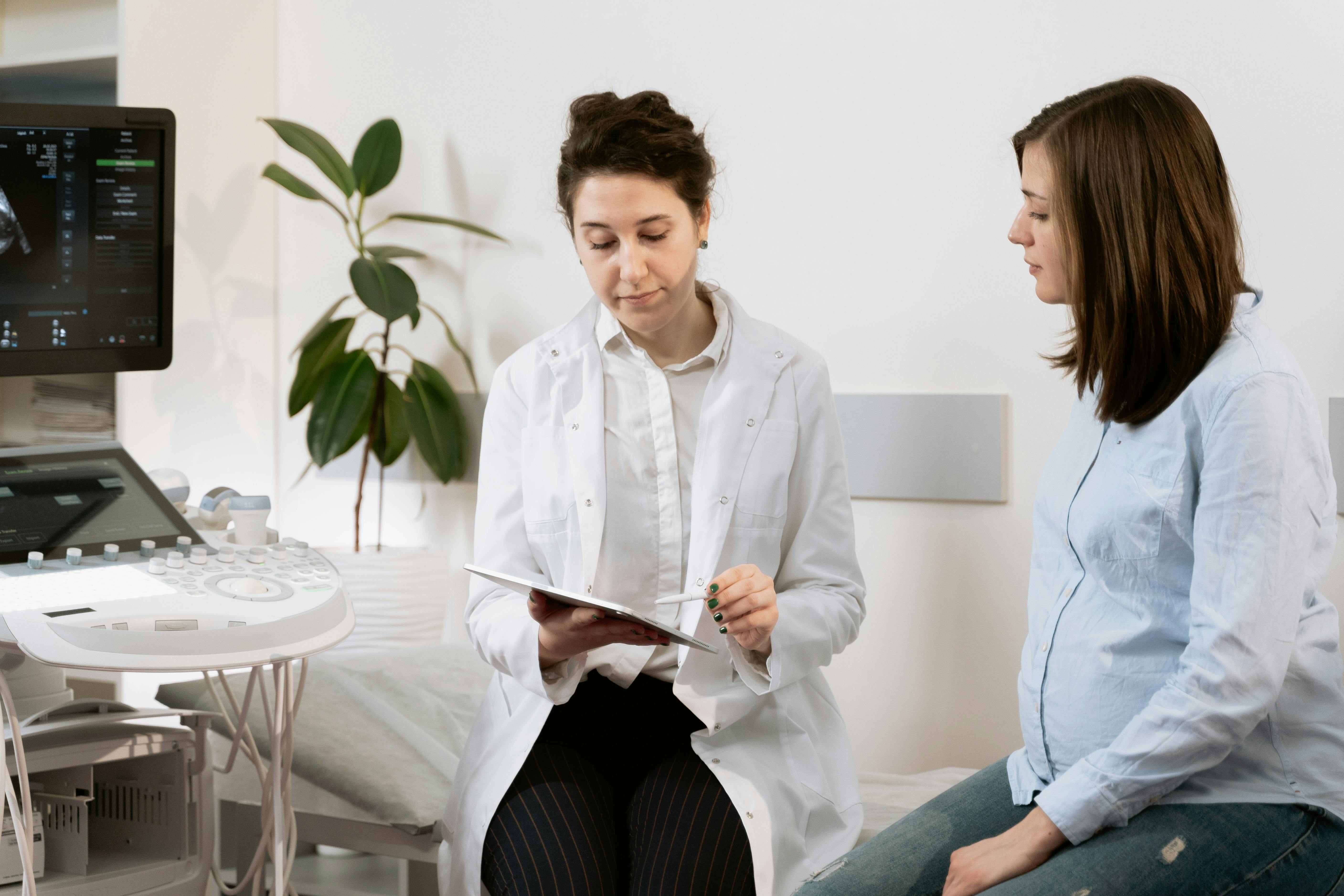
Pregnancy is not a treatment or cure for endometriosis. While some people experience temporary symptom relief during pregnancy due to hormonal and immune changes, current evidence shows it does not reliably reduce disease progression or lesion size. Major clinical guidelines state that pregnancy should not be recommended as a therapy for endometriosis.
“Just get pregnant. It’ll help your endometriosis.”
It’s one of the most common pieces of advice people with endometriosis hear.
It’s also one of the most misleading.
And according to patient data, it’s not rare — it’s routine.
This Isn’t a Myth. It’s Mainstream.
According to Endometriosis UK, 79% of respondents in a survey of over 1,000 people said they had been told pregnancy would cure their endometriosis or reduce symptoms.
In a study of 3,347 diagnosed patients:
- 1,892 were told to get pregnant
- 89.4% heard it from healthcare professionals
Some were told this as teenagers.
So let’s get clear.
What the Science Actually Says (Clear Definition)
Pregnancy is not a treatment or cure for endometriosis.
Endometriosis is a chronic inflammatory disease, not just a reproductive condition.
It occurs when tissue similar to the uterine lining grows outside the uterus, triggering:
- immune system activation
- hormonal dysregulation
- chronic inflammation
- nervous system sensitisation
And current clinical guidelines explicitly state:
👉 Patients should not be advised to become pregnant to treat endometriosis
The Endo Science Behind Why Pregnancy Seems to Help
Here’s where the confusion starts.
Pregnancy doesn’t treat endometriosis.
But it can temporarily change the biological systems driving symptoms.
That distinction matters.
1. Suppression of the Menstrual Cycle
Endometriosis symptoms are often linked to hormonal cycling.
During pregnancy:
- Ovulation stops
- Menstruation stops
- Hormonal fluctuations are suppressed
For some people, this leads to reduced cyclical pain and inflammation.
But:
👉 This reflects temporary suppression of symptoms, not resolution of disease.
2. Progesterone-Dominant Hormonal State
Pregnancy creates a sustained high-progesterone environment.
Progesterone can:
- oppose some estrogen-driven processes
- influence lesion activity
- induce decidualization (temporary structural changes in lesions)
These changes may alter how lesions behave or appear.
However:
👉 Evidence shows this does not reliably result in lasting disease improvement
👉 And progesterone resistance in endometriosis may limit these effects in some patients
3. Immune and Inflammatory Shifts
Endometriosis involves altered immune function and chronic inflammation.
Pregnancy shifts:
- immune tolerance
- cytokine signaling
- inflammatory responses
This may contribute to symptom improvement in some individuals.
But:
👉 These effects are temporary and highly variable
4. Changes in Pain Processing
Endometriosis is associated with central sensitisation, where the nervous system amplifies pain signals.
Pregnancy can influence:
- pain perception
- neuroinflammatory pathways
Which may reduce perceived pain.
But:
👉 Reduced pain does not mean reduced disease activity
5. Temporary Changes in Inflammatory Signalling
Endometriosis is driven by:
- inflammatory cytokines
- oxidative stress
- immune activation
Pregnancy alters these pathways.
But:
👉 The underlying disease processes are not eliminated.
Why Symptoms Often Return After Pregnancy
After pregnancy:
- menstrual cycles resume
- estrogen signalling returns
- inflammatory pathways reactivate
For many people:
👉 Pain returns
👉 Symptoms recur
Some of the perceived benefit of pregnancy may also be linked to postpartum amenorrhea, especially during breastfeeding — again reflecting cycle suppression, not disease resolution.
Why This Advice Is More Than Just “Outdated”
Telling someone to get pregnant as treatment is not harmless.
It can:
- delay access to evidence-based care
- influence major life decisions
- increase psychological distress
- erode trust in healthcare providers
It also blurs two completely different conversations:
👉 Fertility planning
👉 Pregnancy as treatment
Those are not the same — medically or ethically.
And confusing them can have lifelong consequences.
What U.S. Guidelines Actually Say
The American College of Obstetricians and Gynecologists (ACOG) does not recommend pregnancy as a treatment for endometriosis.
Instead, evidence-based management focuses on:
- hormonal suppression
- pain management
- surgical intervention when appropriate
- fertility support when desired
Pregnancy is treated as a reproductive outcome — not a therapy.
The Deeper Pattern: Medicine’s Reproductive Bias
This advice didn’t come from nowhere.
Historically, women’s illness was often explained through reproductive theories.
The “wandering womb” model suggested the uterus caused systemic disease — and that pregnancy could stabilise it.
We’ve moved past that scientifically.
But the pattern still shows up.
When a chronic inflammatory disease is met with:
“Have a baby.”
It reflects the same underlying idea:
👉 Women’s biology is the problem
👉 Reproduction is the solution
Different language. Same logic.
🧠 The EndoFit Reframe: This Is a Whole-Body Disease
Endometriosis is not:
- just a hormone issue
- just a pelvic condition
- just a fertility problem
It is a systemic inflammatory disease
Which means improving symptoms requires addressing:
- immune function
- inflammation
- hormone signalling
- gut health
- nervous system regulation
Not just reproductive status.
💡 What Actually Helps
While no single approach works for everyone, research and clinical practice consistently point toward:
- reducing systemic inflammation
- stabilising blood sugar
- supporting hormone metabolism
- improving gut microbiome health
- regulating the nervous system
- optimising sleep and recovery
These strategies target the biological drivers of symptoms — not just the symptoms themselves.
And they’re far more powerful when applied consistently and tracked over time.
📲 Where Endo45 Comes In
Most people with endometriosis are left to:
- piece together conflicting advice
- trial-and-error their way through symptoms
- wait years for answers
Endo45 was built to change that.
It gives you:
- a structured, science-backed roadmap
- personalised symptom tracking
- practical strategies across nutrition, lifestyle, and recovery
All in one place.
No guesswork.
No bandaids.
Just what works.
🚫 The Bottom Line
Pregnancy can change symptoms temporarily.
But:
- it does not reliably reduce lesions
- it does not stop disease progression
- it is not a treatment
- it is not a cure
And guidelines are clear:
👉 It should not be recommended as one.
References
- Endometriosis UK. Endometriosis UK survey data (n=1,073).
- American College of Obstetricians and Gynecologists. Practice Bulletin No. 218: Endometriosis. Obstetrics & Gynecology. 2020.
- European Society of Human Reproduction and Embryology. Endometriosis Guideline, 2022.
- Vercellini P, et al. Endometriosis and pregnancy: myth or reality? Human Reproduction Update. 2016;22(1):70–103.
- Zannoni L, et al. Effects of pregnancy on endometriosis lesions. Diagnostics. 2023.
- Leone Roberti Maggiore U, et al. Endometriosis and pregnancy: a systematic review. Human Reproduction Update. 2018;24(3):290–299.
- Alberico S, et al. Impact of pregnancy and breastfeeding on endometriosis symptoms. Int J Gynecol Obstet. 2021.
- Moore L, et al. “Just have a baby”: patient experiences of pregnancy advice in endometriosis. BMJ Open. 2023.
Frequently Asked Questions
Can pregnancy cure endometriosis?
No. Pregnancy is not a cure for endometriosis. While symptoms may temporarily improve for some people, the condition itself remains and symptoms often return after pregnancy.
Why do doctors say pregnancy helps endometriosis?
This belief comes from the fact that pregnancy suppresses menstruation and changes hormones, which can reduce symptoms temporarily. However, this is not the same as treating the disease.
Does pregnancy reduce endometriosis lesions?
There is no consistent evidence that pregnancy reliably reduces the size or number of endometriosis lesions.
Do endometriosis symptoms come back after pregnancy?
For many people, symptoms return after pregnancy when menstrual cycles resume and hormonal patterns return.
What do guidelines say about pregnancy and endometriosis?
Clinical guidelines state that pregnancy should not be recommended as a treatment for endometriosis. It is considered a reproductive choice, not a therapy.
Related Articles

Can GLP-1 Help Endometriosis? The Metabolism–Immune Link Scientists Are Studying
New research suggests metabolic hormones like GLP-1 may influence inflammation and immune activity in endometriosis. Here’s what scientists are discovering about metabolism and the disease.
Read the full article →
Endometriosis Surgery: 5 Things I’d Know Before My First Surgery
How to give your first endometriosis surgery the best possible foundations.
Read the full article →

New NHS Endometriosis Tests: What They Mean for Early Diagnosis
NICE has recommended two new non-invasive endometriosis tests, EndoSure and Endotest, for early NHS use. Here's what they mean for diagnosis, primary care, and why New Zealand should be paying attention.
Read the full article →
Free 7-Day Endo Science Series
Understand why your symptoms happen — and what science shows can help improve them.
Join the waitlist for a free 7-day introduction to the EndoFit™ approach - direct to your inbox.
Free. Unsubscribe anytime.